Apple's first foldable phone, the iPhone Duo, is the most significant change to the iPhone's form factor in nearly 20 years, according to a hands-on review published by 9to5Mac on 2026-10-21. After a week of use, the reviewer concluded that a design that looks slightly awkward on paper works well in practice.
The Duo pairs a compact, notebook-style body with an iPad-like inner screen. It weighs 254 grams, five grams more than the iPhone 18 Pro Max, yet the reviewer found it more comfortable to hold because it is shorter and squatter. Extended one-handed use still began to tire the wrist.
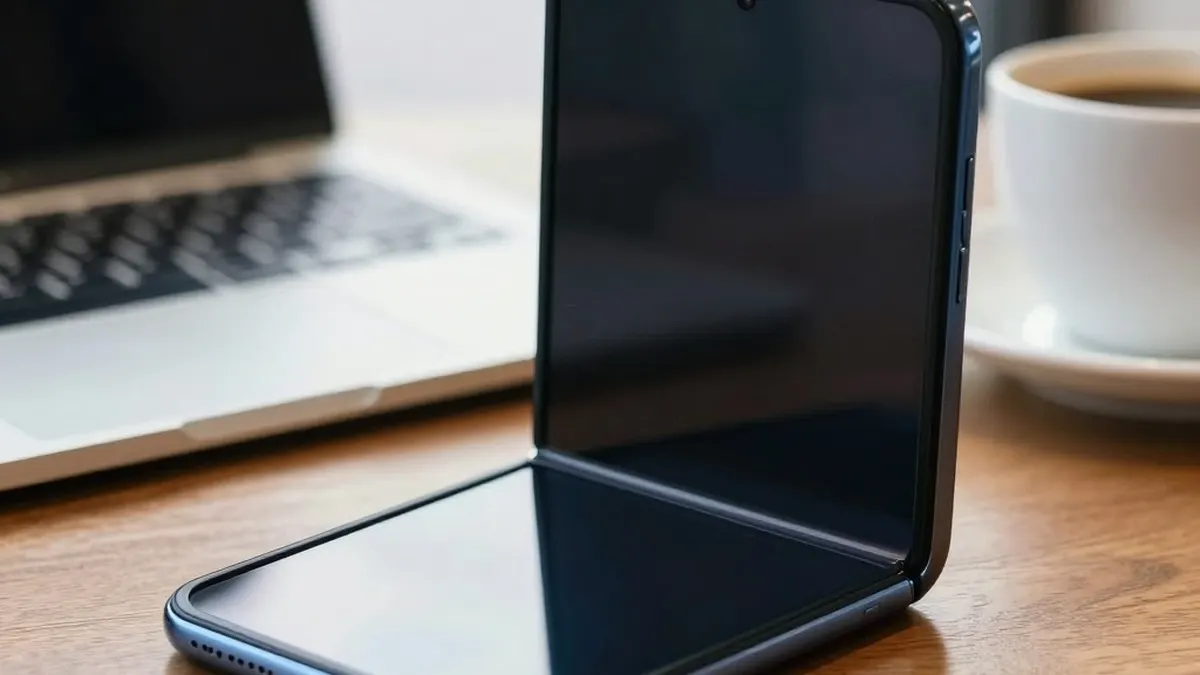
Folded, the device is 11.3mm thick, roughly 29% thicker than the iPhone 18 Pro and Pro Max, and measures 117.8mm by 84.1mm. That makes it 45.6mm shorter than the Pro Max and 6.1mm wider. Opened, it is only 5.2mm thick, thinner than the 5.64mm iPhone Air. The reviewer said the shorter, wider shape made it easier to carry in a pocket than expected.
Apple says the hinge uses more than 100 components and a variable torque system that changes resistance as the phone opens and closes, with integrated magnets holding the halves shut. Opening the phone takes two hands. The reviewer said they initially handled it gingerly but within a day or so stopped thinking about the hinge. It also holds at different angles, allowing the phone to stand on a table in seated and tent positions for video, FaceTime calls or a redesigned StandBy mode that works without charging. The frame is Grade 5 titanium, the phone has an IP68 rating, and it comes in Night Sky and Star White.
The 5.4-inch outer display shares the inner screen's 1.4:1 aspect ratio. Apple says its area is 90% of the iPhone 18 Pro's. The reviewer found it easy to reach every corner with one hand if right-handed and pleasant for typing, texting, notes and reading. Left-handed use was less comfortable because software controls are right-aligned, making the top-right corner hard to reach. Safari was the weak spot: the right-aligned controls reduce usable space, and cookie pop-ups and newsletter banners can fill the screen on sites not designed for such a squat display.
The 7.6-inch inner display is built from more than 10 thin layers, including a scratch-resistant coating, a nano-textured polymer layer Apple says is up to 40% stiffer than competing materials, glass above and below the OLED panel, and a titanium support plate. Apple likens the way the layers slide to the pages of a book. A nano-texture finish diffuses reflected light to make the crease harder to see. Apple hardware vice president Tom Marieb said the "specularity" of glossy displays makes it "very easy to pick up topology differences." Another Apple executive, Kate Bergeron, said the matte coating layer can be replaced, which the reviewer sees as a repair benefit.
In use, the reviewer said the crease is not invisible, and Apple does not claim it is, but it is not a problem either. It is generally unseen when viewed head-on, becoming noticeable mainly in bright light such as sunlight against dark content like black loading screens or video frames. It can be felt when scrolling in portrait, though less of an issue with time. The nano-texture also cuts glare and gives a paper-like feel, though fingerprints are harder to wipe off.
Apple says the inner display has 50% more screen area than the iPhone 18 Pro Max and 80% more than the iPhone 18 Pro, making it the largest ever on an iPhone. The under-screen FaceTime camera blends in well and does not distract when viewed straight on. The reviewer described unfolding the phone as going from a passport-sized device to something like an iPad mini, and said they had worried the outer screen would feel like a last resort but found that was not the case.