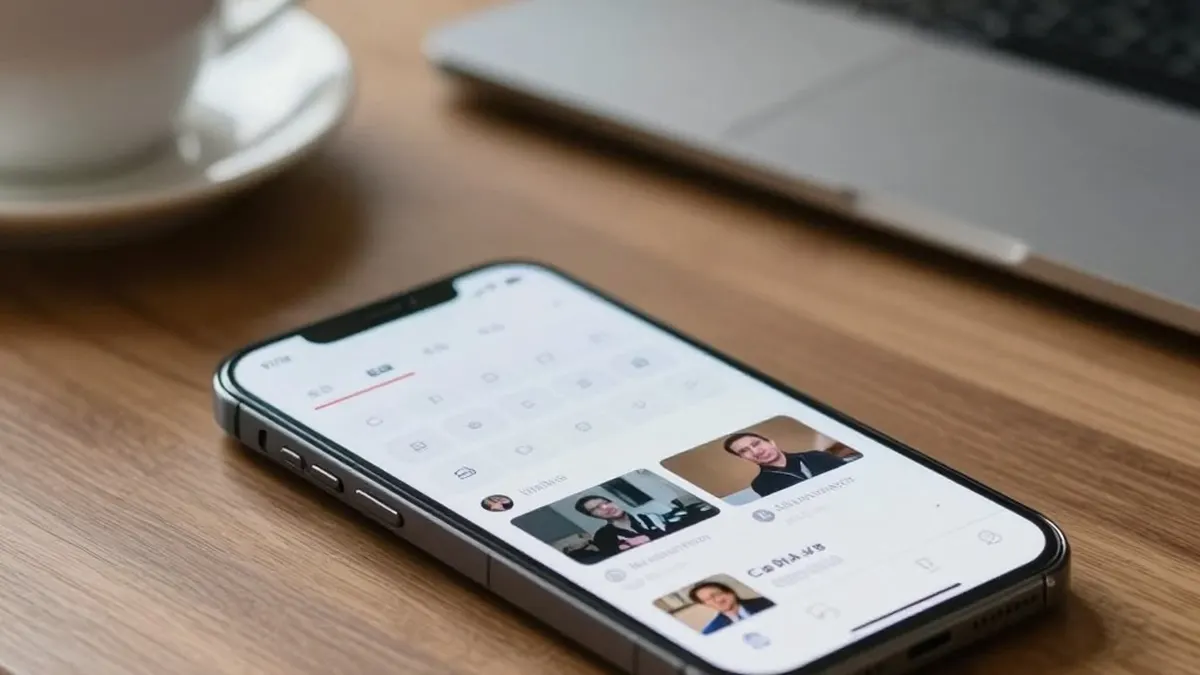
YouTube is overhauling the Home experience in its Android and iOS apps, and the most noticeable change is the removal of the Subscriptions tab from the bottom navigation bar. The company describes the move as the first in a series of updates meant to create a more seamless Home experience.
Subscriptions had occupied the fourth slot in the bottom bar since 2017, so the change is likely to upset the habits of long-time users. The feed now sits in a redesigned top bar on the Home tab, where it appears under the label "Subs" in the second position after Home. A red underline marks the selected tab, a visual cue that may take time to get used to. The company began testing the redesign earlier this year.
Alongside Subs, the top bar now includes dedicated feeds for Live, Music, and Movies & TV. The Movies & TV feed shows up only for people who have active subscriptions, such as Primetime Channels. One upside of the new layout is that it eliminates YouTube's navigation drawer.
The redesign arrives together with the launch of custom feeds, which are available on mobile and on the web and sync between them. The feature lets viewers describe "what you want to see in your own words" and receive a feed built around that request.
To create one, users tap the "+" at the top of the Home feed and describe a topic, certain channels, or a general mood. YouTube's example is a request to "help me unwind after work with guided meditations under 10 minutes." The app then generates a feed tailored to that description for the user to explore.
Saved custom feeds appear as tabs at the top of the main feed, following Home and Subs, so that viewers can "jump back into them whenever you want." A prompt box at the top of each feed allows the description to be edited and the results adjusted.
The number of feeds a person can keep depends on their account type. Free users can save up to three active custom feeds, while YouTube Premium members can save up to eight.
Custom feeds are initially rolling out on mobile and desktop in English to signed-in viewers based in the United States. YouTube says the feature will reach more countries in the future.