Sony Japan has officially retired its last dedicated Blu-ray player, closing a chapter for a format that has been on the market for roughly two decades. According to FlatpanelsHD, the company's Japanese site now lists the UBP-X700/K as "Discontinued," which means customers in the country can no longer buy a new standalone Blu-ray player from Sony.
The change was widely expected. Sony stopped shipping the player in February of this year, which suggests that recent sales depended on stock that was already in the channel.
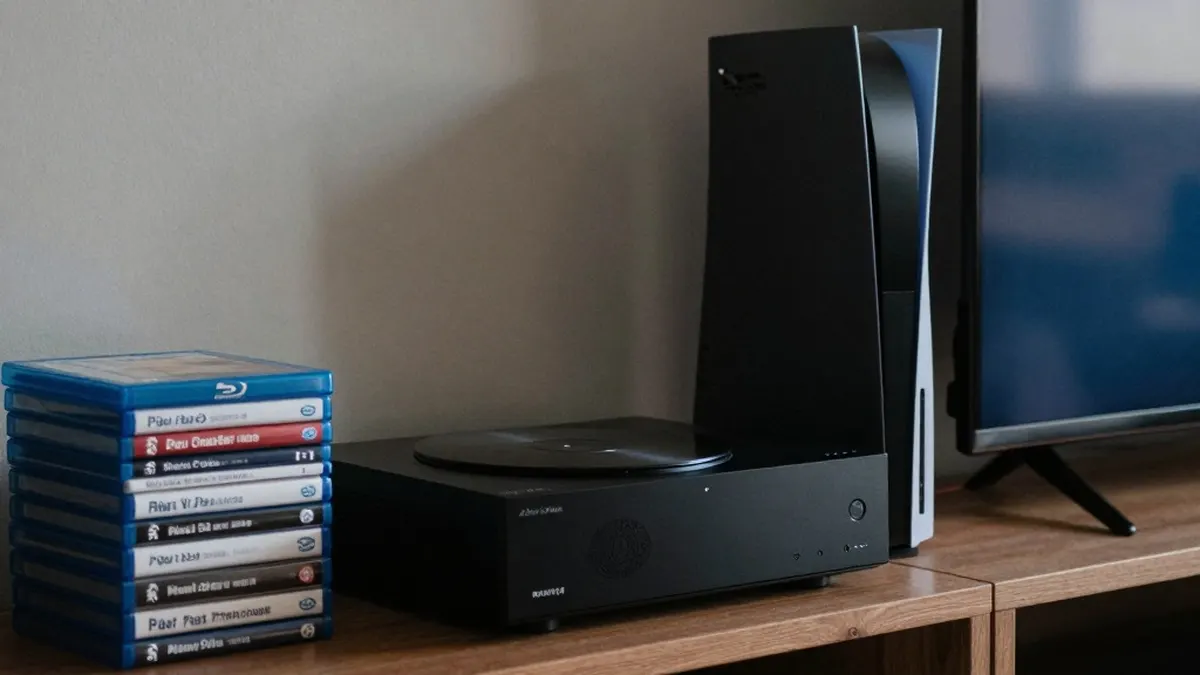
With the standalone model gone, the PlayStation 5 is the only Sony device still able to play Blu-ray discs. That raises its own questions. The company has also announced that it will end physical game disc production by January 2028, and some observers now fear that the upcoming PlayStation 6 may ship without an optical drive.
Sony is not alone in stepping back. LG ended its Blu-ray player production in 2024. This year, the Japanese electronics makers Elecom and Buffalo have both stopped producing Blu-ray drives for PCs. Buffalo Americas has said it is "fully committed to supplying optical drives to the American market," and that its DVD and Blu-ray drive products are anticipated to remain available for the near future.
Players from other manufacturers, such as Panasonic, can still be purchased. Even so, Sony helped build and support the Blu-ray standard, so its exit leaves an already niche market smaller. The audiophile world faces a similar squeeze: some Hi-Fi player makers have ended selected products because optical drive manufacturers no longer produce the components needed to read SACDs.
The shift toward streaming has unsettled people who worry about a future in which nothing is truly owned. Sales of so-called retro media have climbed as a result, with CDs up 59% and vinyl up 18%.
Ultra HD Blu-ray now faces the kind of upheaval that VHS and DVD went through when newer formats arrived. The difference is that those older technologies were replaced by higher-quality successors. Blu-ray is being displaced not by more pixels, but by the convenience of streaming. That comes with a caveat: viewers no longer own physical copies, a trend that concerns data archivists.