The Oppo Find X10 Pro Max is a strong phone, but for one reviewer at 9to5Google it also stirs up some regret. OnePlus, the enthusiast-focused brand that became Oppo for much of the world, was shut down earlier this year, and that closure shaped the reviewer's few weeks with the device. The concern is that phones like this will simply not reach some markets going forward.
On paper, the EU version is a true flagship. It has a 6.78-inch AMOLED display with a 144Hz LTPO panel, 3,600 nits of peak brightness and 3,840Hz PWM. It runs on a MediaTek Dimensity 9600 Pro with 12GB of RAM and 512GB of UFS 4.1 storage. Power comes from a 7,150 mAh battery, with 80W wired and 50W wireless charging. Security options include an ultrasonic fingerprint sensor and camera-based face unlock.
The camera system centers on three 200MP sensors: a main camera, a 13mm ultrawide and a 70mm telephoto with 3x optical zoom, plus a 50MP front camera. The reviewer says it does not quite match the Find X9 Ultra, but it performs very well. Oppo promotes 4K/60fps, 4K/120fps and 8K/30fps video from every rear lens, along with better HDR and stabilization, and says it worked with Instagram to improve uploads from the Find X10 series.
For stills, the reviewer found shots generally crisp and clean, and the camera app easy to use despite its many options. The main complaint is the telephoto. Oppo supports up to 120x hybrid zoom, but quality drops well before that, and AI enhancement struggles beyond 10x. The reviewer would have preferred a 5x lens. Still, the 3x lens was the best of the three, with natural bokeh, and results from roughly 3x to 8x came out at full quality. Color processing also impressed, particularly on a sunset photo. Oppo's optional 10x teleconverter adds even stronger natural bokeh, though it is less crisp than a dedicated camera.
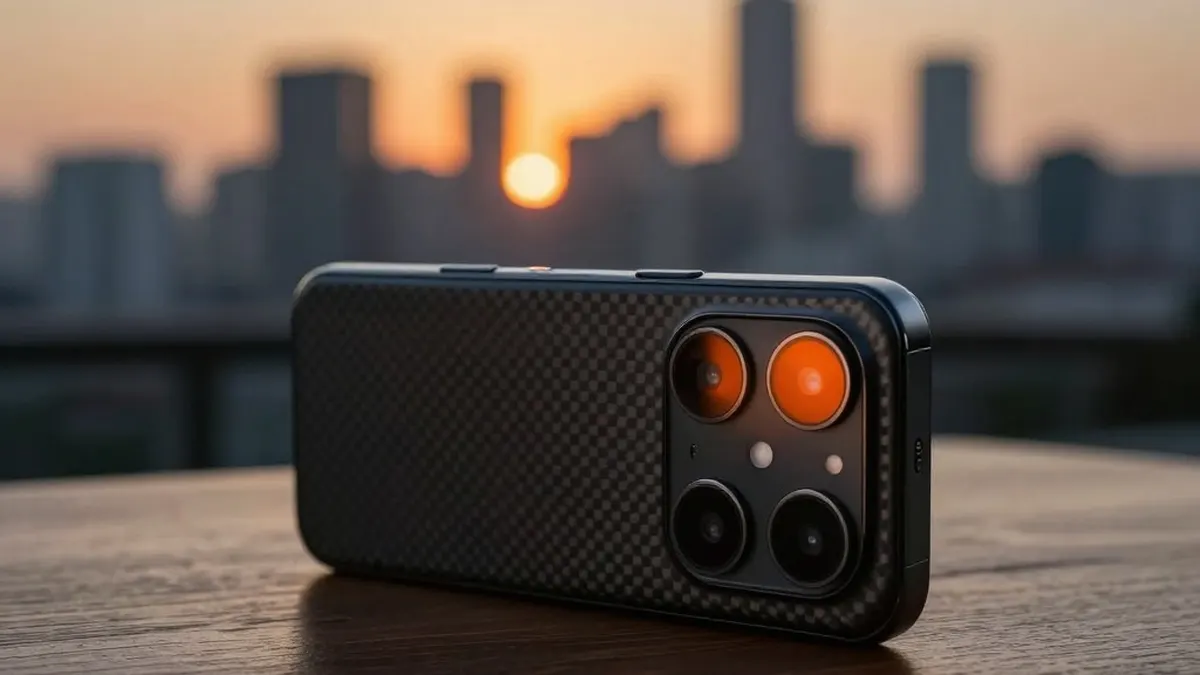
The hardware also earned praise, with some caveats. The Lumos White model is slightly lighter than other trims but remains hefty. The reviewer dislikes the dual-size camera bump, which makes the phone rock on a table without a case. Knurling around the lens and an orange Hasselblad accent were welcome touches, though the small ridge collects dust. The phone lacks built-in Qi2 magnets, so the reviewer used Oppo's carbon fiber case throughout. The Snap Key resembles Apple's Action Button, and the reviewer wants single-press and double-press actions plus a double-press power button camera shortcut in global markets.
On software, ColorOS 17 leans into a Liquid Glass-style look that the reviewer does not like, though transparency can be toned down. Despite a preference for Pixel UI and One UI, the reviewer has warmed to ColorOS, noting minor issues such as inconsistent notification icons and notifications overlapping the fingerprint icon on the lockscreen. Performance is smooth, and the chip stayed cool through heavy GPS use, 90°F days and video exports.
Battery life is a highlight. It is not quite a two-day phone in testing, but the reviewer says it never ended a day below 30%, even when running hotspots, editing video or gaming. Fast charging meant overnight plugging was unnecessary. The reviewer suggests the 8,000 mAh version sold in other regions might reach two days.
The main drawback is the price: €1,799 in Europe, which the reviewer calls a crazy amount for a phone that does not fold. Listed cons also include the smaller EU battery and the missing Qi2 magnets. For buyers in regions where the Find X10 series is sold, the reviewer expects the Pro Max to be a thrill, and says the standard Find X10 Pro is also worth a look, with a smaller body, the same battery and cameras not far behind. For the US, the end of OnePlus means Oppo phones like this will not arrive, a loss the reviewer finds increasingly frustrating as Android brands improve in quality.