Nirva, a startup building an AI wearable designed to look like jewelry, has announced a $25 million pre-Series A round. The funding adds to $8 million raised earlier this year from investors including Lightspeed and South Park Commons, bringing the company's total to $33 million.
The announcement arrives as ambient AI draws growing attention. Amazon has launched a new wrist-worn device with Bee, a former Plaud executive has released ambient apps through a startup called Ambi that also plans its own hardware, and Apple introduced Voice Intelligence features at its iPhone launch in September.
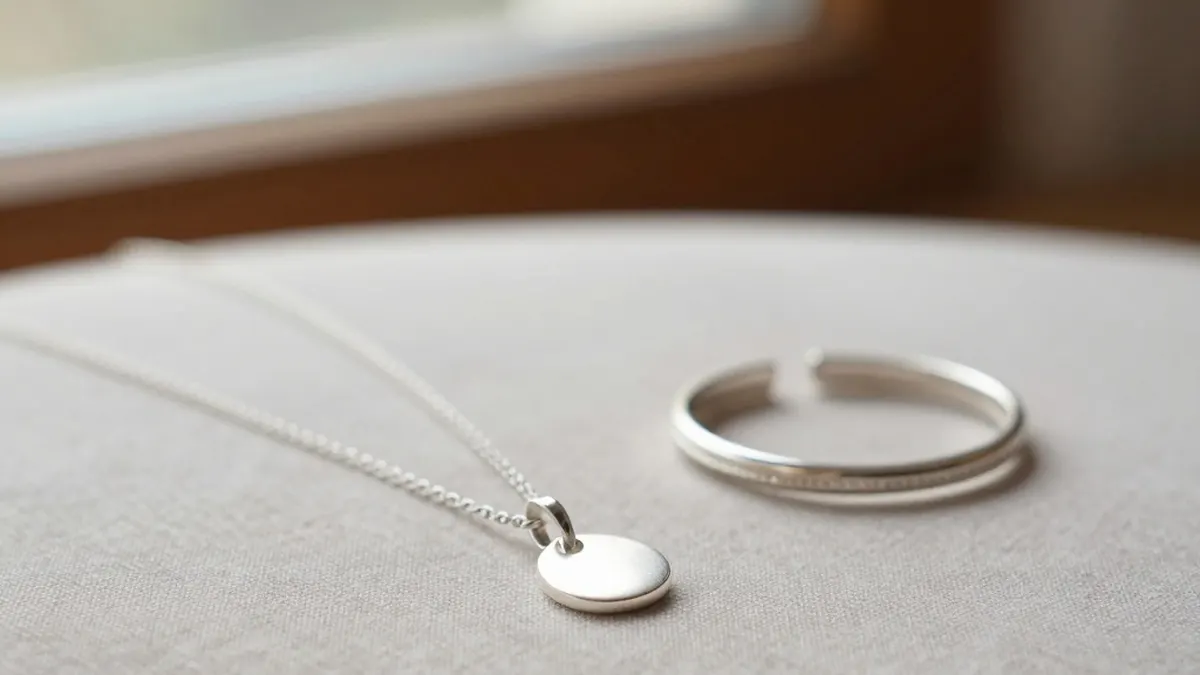
Nirva was founded in 2025 by Wei Lyu and Jason Chen, both formerly of Meta Reality Labs, together with Hanying Hu, who founded a fashion and jewelry brand. The company's first product is a pendant that can also be worn as a bracelet. It weighs about eight grams and runs for up to three days on a single charge. Nirva says it intends to release additional devices over time.
Lyu, the company's CEO, told TechCrunch the aim was a wearable that blends in with fashion while still offering real value. She said the pendant is not a voice recorder or a meeting note taker. Unlike products such as Taya, Vocci or the Sandbar Ring, she said, Nirva is always passively listening to its wearer's speech, continually modeling the user and their mind.
Privacy is a central concern for always-on devices, since people may object to being recorded, and gadgets like the Ray-Ban Meta glasses have made bystanders uneasy. Nirva's answer is to have users record voice samples during onboarding and build a model from them. In use, the device filters out speech from other people nearby, so that only the wearer is captured. By default, the company does not retain audio or transcripts once conversations have been processed.
Nirva describes itself as a personal insights company rather than a productivity startup, though its companion app does surface reminders and action items. The app analyzes the wearer's speech to produce insights about personality, including patterns, the people around them, places visited and daily notes, as well as emotions, communication style and ways to improve. Lyu said the goal is to help people improve their self-understanding, self-compassion and self-awareness, noting that there is no universal way to solve everyone's problems.
She offered an example from her own life: after she forgot to thank her mother for something, the app later nudged her with a reminder. The company added that, before discarding audio, it can track tone, pitch, volume and speed, which help it derive emotional understanding shown in the app.
Orders for the $249 device will open in November, with shipments to early users targeted for the end of the year. It will come in silver, brushed silver, black and gold.
Nirva faces competition in AI wearables. Taya, founded by former Apple employees, is also building intelligent jewelry, while startups such as Friend and Bee are pursuing companion gadgets.