New Jersey lawmakers have moved to scale back one of the strictest e-bike laws in the United States, only a few months after it took full effect and drew sharp criticism from riders, bike shops and advocacy groups.
The bill, S4830, was introduced by State Senator Raj Mukherji. It would end licensing, registration and insurance requirements for low-speed electric bicycles that have motors rated at 750W or less and a maximum motor-assisted speed of 20 mph (32 km/h). Those limits cover Class 1 and Class 2 e-bikes.
In effect, the measure would return bicycle-style treatment to those two classes. That includes throttle-equipped models, which account for most e-bikes sold in New Jersey and across the country. Stricter rules would stay in place for faster and more powerful electric bicycles.
The current framework traces back to January, when then-Governor Phil Murphy signed the law after several tragic crashes involving young riders. It took full effect in July. The law eliminated the state's earlier three-class e-bike system and required licensing and registration for all electric bicycles, including ordinary low-speed commuter models. Throttle-equipped and faster e-bikes also became subject to insurance requirements.
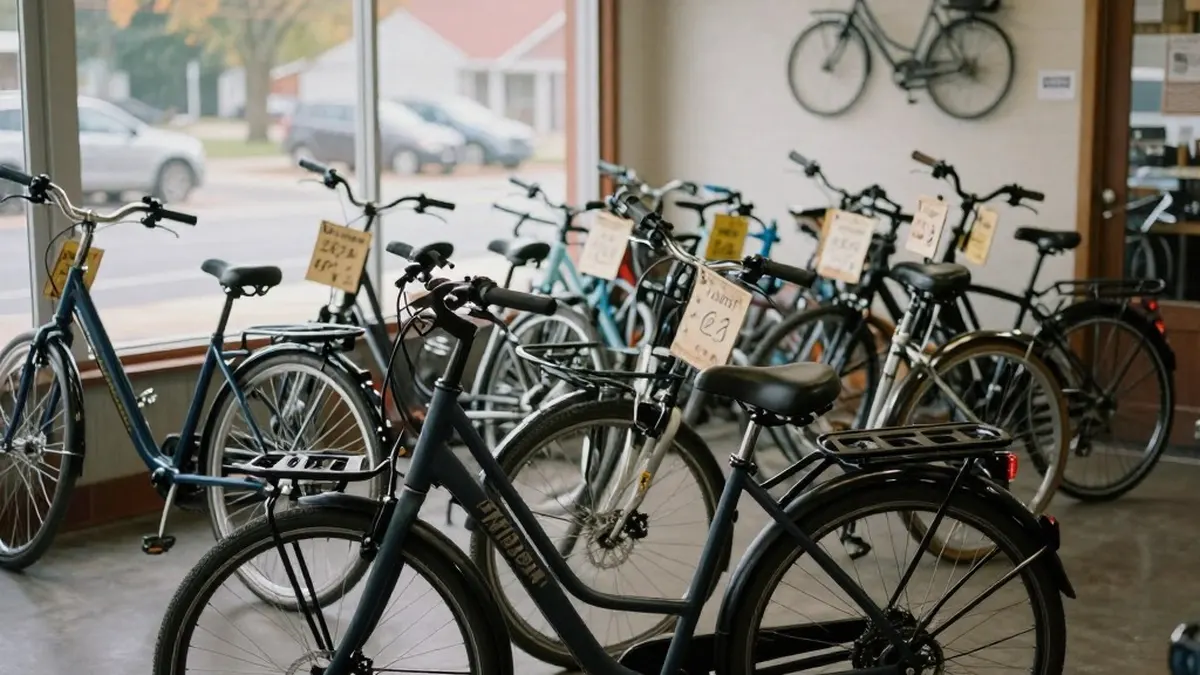
Reaction was swift and negative. Electrek previously reported that New Jersey bicycle shops saw steep sales declines after the law began to apply, with some reporting drops between 20% and 90%. Several businesses laid off workers, downsized or closed, as e-bike sales and use fell sharply.
Riders, meanwhile, faced confusing new requirements that made e-bikes harder to use. The impact was especially significant for lower-income residents, people with disabilities and people who depend on electric bicycles for everyday transportation.
Critics of the original law argued that it was meant to improve safety but largely penalized responsible riders. They said it failed to address the growing problem of high-powered electric motorcycles passing as bicycles. In their view, only law-abiding riders registered their bikes, others were discouraged from riding, and the reckless riders who gave e-bikes a bad name kept riding illegally. They also pointed out that requiring a driver's license and registration for a 20 mph commuter e-bike does little to curb dangerous riding on machines capable of highway speeds.
The new proposal appears to recognize that distinction by taking a more targeted approach, one that could keep reasonable safety rules without complicating ordinary e-bike ownership.
S4830 must still move through the legislature before it could become law. Some argue that requiring a license and registration for e-bikes that reach 21 to 28 mph (32 to 45 km/h) remains overly burdensome. Even so, for New Jersey's struggling e-bike industry, the bill is a hopeful sign that lawmakers are responding to the complaints.