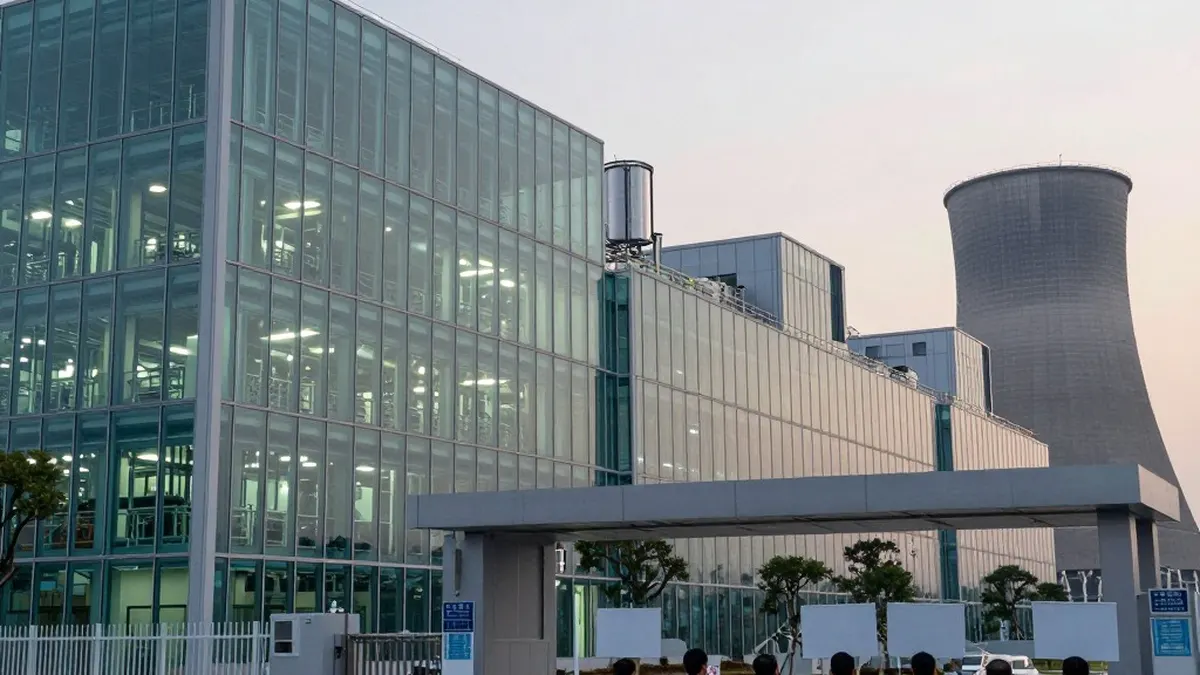
Micron Technology is set to face a one-day labor stoppage at its operations in Taoyuan, Taiwan, on October 22, Reuters reports. Employees plan to walk out in a push for firm terms on this year's bonus and a clearer mechanism for sharing the company's future profits.
The Taoyuan union wants Micron to put forward a specific proposal for the additional employee bonus for this year and to establish a transparent formula for distributing a share of future profits to staff. Previous negotiations between the company and the union ended unsuccessfully in September, and workers approved industrial action in early October.
The union has stressed that the strike is meant to pressure Micron into reaching an agreement rather than to end negotiations. It says it is prepared to conclude a deal if the company presents terms acceptable to employees across its Taiwanese operations.
The situation could grow more serious if employees at Micron's Taichung operations, its largest manufacturing site in Taiwan, decide to join the action. A separate labor organization representing workers at that facility is scheduled to meet with Micron for mediation on October 22, the same day as the Taoyuan protest, though the Taichung union has not yet authorized a strike.
Micron's fabs in Taiwan produce commodity DDR5 and LPDDR memory as well as expensive high-bandwidth memory (HBM) used in AI accelerators. With demand for memory of all types at record levels, even a one-day suspension of operations would have a material impact on Micron's output and earnings.
Modern semiconductor fabs are supposed to run 24 hours a day, every day of the year, because many processes cannot be halted. However, if management has sufficient time and personnel to prepare, a one-day warning strike does not necessarily mean a complete shutdown of the Taoyuan manufacturing operations, let alone permanent damage to wafers or equipment.
The actual consequences of the strike will depend on employee participation, which manufacturing operations are affected, and Micron's contingency plans. While output is likely to drop, the decline will probably be negligible.
Micron employs approximately 15,000 people in Taiwan. The workers point to compensation arrangements at Samsung Electronics and SK hynix as examples of how semiconductor manufacturers can distribute profits among employees as AI-driven demand generates unprecedented cash flows for memory firms.